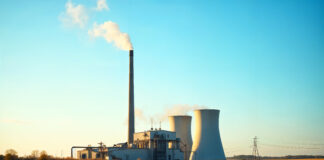
India’s core infrastructure sectors ended 2025 with accelerated investments in sustainable technologies and local manufacturing capabilities, aligning capacity expansion with energy efficiency and climate goals. Refractories providers and elevator manufacturers both report strong demand from steel capacity additions, cement plant modernisations, and high-rise urban projects, reflecting a maturing industrial ecosystem focused on performance alongside environmental responsibility.
Refractories Market Powers Steel Expansion
Calderys APAC Senior Vice President Ish Mohan Garg notes that the Indian refractories market, valued at USD 2.5 billion in 2024, is on track to reach USD 3.4 billion by 2033 at over 3% CAGR, driven by steel production hitting 151.1 million tonnes in FY24–25 and capacity approaching 200 million tonnes.
Demand has shifted toward high-performance monolithic systems that endure higher temperatures and longer campaigns, transforming refractories from consumables to productivity enablers. Calderys is scaling through its CAPES facility in Odisha to deliver market-specific solutions while embedding energy optimisation in operations.
Elevator Sector Meets Urbanisation Surge
Polo Elevators Chairman Umang Bansal describes 2025 as a year of robust growth powered by high-rise residential, Grade-A commercial, and public infrastructure like metros and airports. Builders increasingly specify energy-efficient, digitally connected, safety-focused systems that prioritise lifecycle costs and seamless design integration over basic functionality.
Polo Elevators, as a Make-in-India player, targets nationwide expansion, R&D enhancement, exports, and leadership in luxury customisation by 2030, with 2026 forecasts showing high single- to low double-digit CAGR driven by smart cities and vertical urban expansion.
Sustainability and Domestic Ecosystems Converge
Both sectors illustrate how India’s infrastructure boom now balances scale with green technologies, advanced materials, and resilient supply chains. Refractories support industrial efficiency through thermal resilience, while elevators enable low-carbon vertical mobility in growing cities.
Industry leaders align with Make-in-India through local manufacturing investments, positioning India for globally competitive strength as 2026 approaches with technology-driven, environmentally responsible growth.